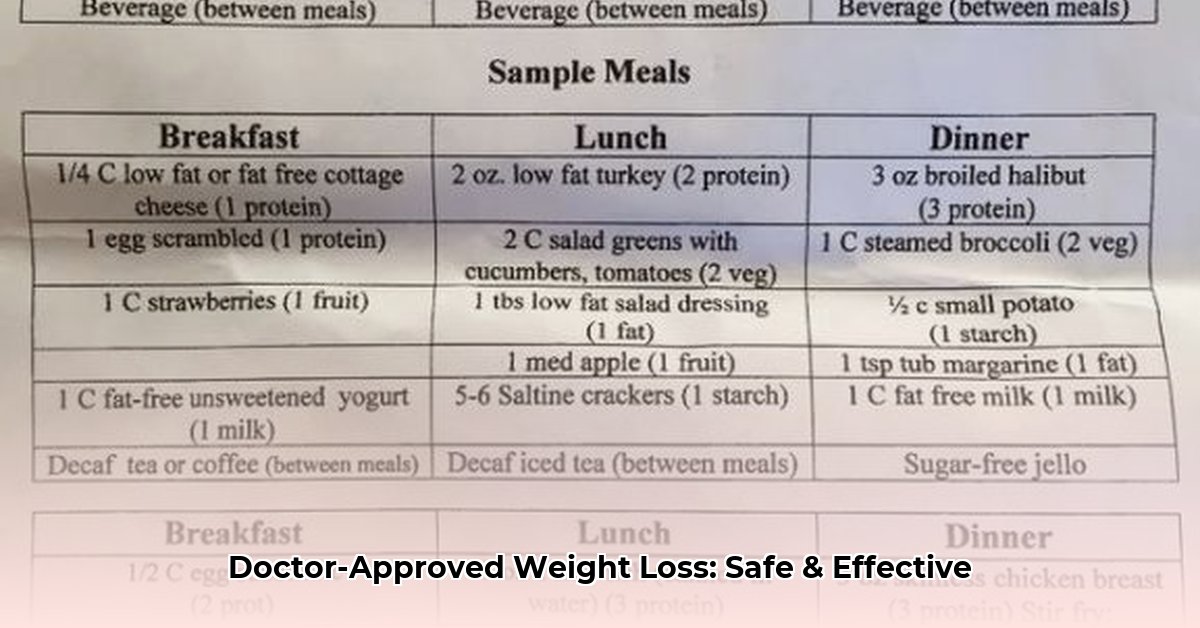
Physicians Weight Loss Diet Menu: Your Personalized Journey to a Healthier You
Shedding excess weight can be challenging, but a physician-supervised weight loss program offers a safe and effective path. This approach, often incorporating a personalized physicians weight loss diet menu, prioritizes sustainable changes that benefit your overall well-being. Unlike generic diets, this method focuses on long-term health, not just quick fixes.
Understanding the Power of Personalized Plans
A physicians weight loss diet menu is tailored to your unique needs. Your doctor considers your medical history, lifestyle, preferences, and dietary habits to create a plan most likely to lead to lasting success. It fosters a healthier relationship with food and your body—a far more sustainable approach than one-size-fits-all solutions. This often includes regular check-ups, guidance from a registered dietitian, and sometimes medication like Semaglutide (a medication that helps regulate blood sugar and appetite) to support your goals.
Exploring Your Options: Finding the Perfect Fit
Choosing the right weight loss program requires careful consideration. Different approaches cater to varying needs and preferences. Let's explore some common types:
| Program Type | Pros | Cons |
|---|---|---|
| Rapid Weight Loss Program | Quick, visible results offer strong motivation. | Difficult to maintain long-term; potential nutrient deficiencies and feelings of deprivation. |
| Gradual Weight Loss Program | Sustainable lifestyle changes; easier integration into daily life. | Slower progress demands more patience; maintaining motivation can be challenging. |
| Semaglutide-Integrated Program | Potentially faster weight loss; medically supervised, minimizing risks. | Possible side effects (nausea, constipation); requires close physician monitoring. |
Crucial Point: Never choose a program without consulting your doctor. They can assess your health, discuss your goals, and recommend the best approach for your individual circumstances.
Beyond the Menu: Lifestyle Changes for Lasting Results
Successful weight loss requires a holistic approach encompassing diet and lifestyle. Consider these vital components:
Regular Physical Activity: Aim for at least 150 minutes of moderate-intensity exercise weekly. This could include walking, swimming, or any activity you enjoy. Did you know that even moderate exercise significantly improves metabolic function and energy levels?
Stress Management: Chronic stress can hinder weight loss efforts. Incorporate stress-reducing techniques like meditation, yoga, or spending time in nature. Studies show that effective stress management leads to better adherence to weight loss plans.
Prioritizing Sleep: Sufficient sleep (7-9 hours) regulates appetite and metabolism. Adequate sleep is crucial; insufficient sleep disrupts hormone balance that can lead to weight gain.
Understanding Semaglutide: A Helpful Tool, Not a Magic Wand
Semaglutide, a medication sometimes included in weight loss programs, can be beneficial when coupled with a healthy diet and lifestyle changes. It's a tool, not a magic bullet. Your physician will closely monitor your progress and ensure its safe and effective use. Open communication with your healthcare team is crucial.
How to Choose the Best Physician-Supervised Weight Loss Program
Key Takeaways:
- Physician-supervised programs offer a comprehensive approach, combining medical oversight, personalized plans, increasing chances of success compared to self-directed methods.
- These often incorporate medication, nutritional counseling, and behavioral therapy.
- Significant weight loss (15-20% in one year) is possible, but success depends on patient adherence and program accessibility, among other factors.
- Potential risks include medication side effects, highlighting the need for careful monitoring.
- Choosing the right program involves considering your health, preferences, and budget. A holistic approach, including lifestyle changes, is essential for long-term success.
Understanding Your Options: Physician-Supervised Weight Loss Programs
Various programs exist, each with a unique approach. Some emphasize medication, others lifestyle changes—some combine both. Find a program aligning with your goals and lifestyle. Research thoroughly; the right fit, not the fastest fix, is key.
Navigating the Benefits and Risks
Physician-supervised programs offer numerous advantages: personalized plans, medically-guided interventions, and regular monitoring. However, potential risks exist, particularly medication side effects. Open communication with your physician is paramount.
Pros: Medical Oversight, Personalized Plans, Comprehensive Approach, Increased Success Rates
Cons: Cost, Potential Side Effects, Time Commitment, Accessibility
How to Choose the Best Program for You: A Step-by-Step Guide
- Consult Your Doctor: The most critical step; discuss your goals and health history. Your doctor can assess your suitability and recommend appropriate options.
- Research Program Options: Investigate different programs, inquiring about their approach, cost, and success rates.
- Consider Your Lifestyle: Select a program compatible with your lifestyle.
- Assess Your Budget: Be realistic about affordability.
- Read Reviews and Testimonials: Seek insights from others' experiences.
- Ask Questions: Don't hesitate to ask questions during consultations. Transparency is crucial.
- Choose a Holistic Approach: Remember that lasting weight loss isn't just about the program itself; sustainable healthy habits are key.
The Role of Lifestyle Changes: Beyond the Diet
Successful, lasting weight loss necessitates a commitment to a healthier lifestyle. Sustainable changes in diet and exercise, along with stress management, are vital for long-term success. This isn't a sprint; it's a marathon requiring consistent effort.